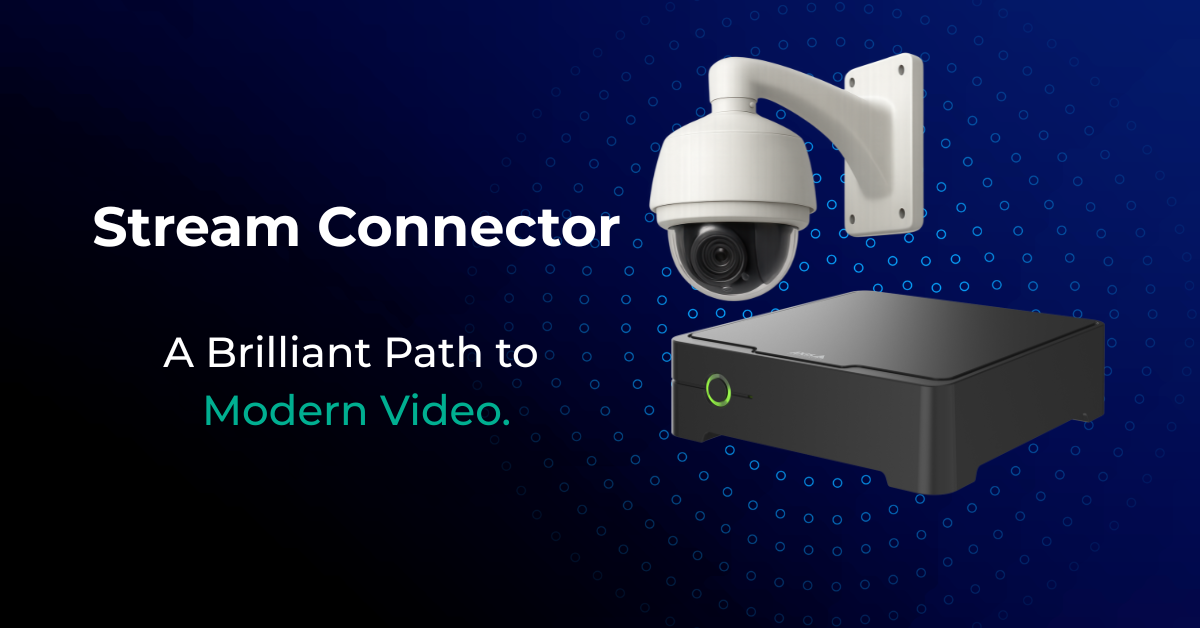
Many organizations are trying to balance tight budgets with the need to modernize their physical security systems. At first glance, keeping your existing cameras and connecting them to the cloud through an on-premise appliance (often called a bridge) seems like a smart way to go. But while it might look cheaper upfront, the long-term costs and limitations can outweigh the initial savings.
Let’s take a closer look at why relying on outdated devices and bridges might actually be costing your business in more ways than one.
Maintenance: Not as “Low Cost” as It Seems
Outdated cameras and other legacy devices often require frequent manual attention. They demand more from your IT staff, not only to keep them running but also to troubleshoot issues when something goes wrong. The worst part? Many teams only discover device malfunctions after an incident occurs — meaning critical footage could be lost before anyone even knows there was a problem.
Analytics: Modern Needs Require Modern Tools
Physical security isn’t just about recording footage — it’s about understanding what’s happening in real time. Older devices often lack the capability to perform meaningful analytics. That means your team either has to manually watch hours of video or miss out on insights that could help prevent incidents.
Adding an appliance might introduce some analytics, but this typically comes at a high cost (often around $5,000 for fewer than 25 devices) and still isn’t as efficient as fully modern devices designed with analytics built in.
Modern systems, on the other hand, utilize edge analytics that can detect events as they occur, send real-time alerts, and make searching for critical footage significantly easier.
Security: Avoiding New Vulnerabilities
Legacy devices weren’t built for today’s threat landscape. They can expose your system to breaches, creating vulnerabilities that attackers can exploit. Even adding a bridge to the mix doesn’t fix this fundamental issue — and can introduce new security weaknesses, since most older cameras cannot receive firmware patches or updates.
Modern security solutions offer real-time patching, firmware updates, and proactive defense features, keeping your system safer as threats evolve.
Evidence Quality: Clarity Matters
Footage from outdated devices is often blurry and barely usable — especially when law enforcement needs it. Even if old cameras capture something, the poor image quality can render the footage useless in identifying persons or details.
Newer devices offer much higher clarity, digital recording capabilities, and are designed to produce evidence that’s reliable and actionable.
Integration: One System vs. Many
A modern security ecosystem integrates:
- Cameras
- Audio
- Access control
- Monitoring
- Sensors
- Analytics
Old devices can’t support this level of integration without multiple add-ons, separate maintenance tools, and unique training for each piece — leading to silos and gaps in coverage.
A fully modernized system, however, can unify all these elements into a seamless solution that works together — reducing complexity and improving overall performance.
Final Thoughts
Using a bridge to connect legacy cameras to the cloud might seem like a budget-friendly option — but in reality, it often:
- Creates hidden maintenance costs
- Offers limited analytics power
- Leaves security vulnerabilities unaddressed
- Produces poor-quality evidence
- Fails to integrate with broader security solutions
Moving to modern devices and platforms designed for today’s challenges isn’t just a step forward — it’s a smarter investment in your organization’s safety and efficiency.