As organizations accelerate their move to the cloud, many begin modernizing physical security by searching for VSaaS (Video Surveillance as a Service). Video is often the most visible and familiar component of legacy security systems—and one of the easiest to migrate to the cloud.
But modern physical security is no longer just about cameras.
Increasingly, organizations are adopting PSaaS (Physical Security as a Service)—a cloud-native approach that unifies all physical security systems and capabilities into a single platform.
Key takeaway: VSaaS modernizes video. PSaaS modernizes the entire physical security landscape.
What Is VSaaS (Video Surveillance as a Service)?
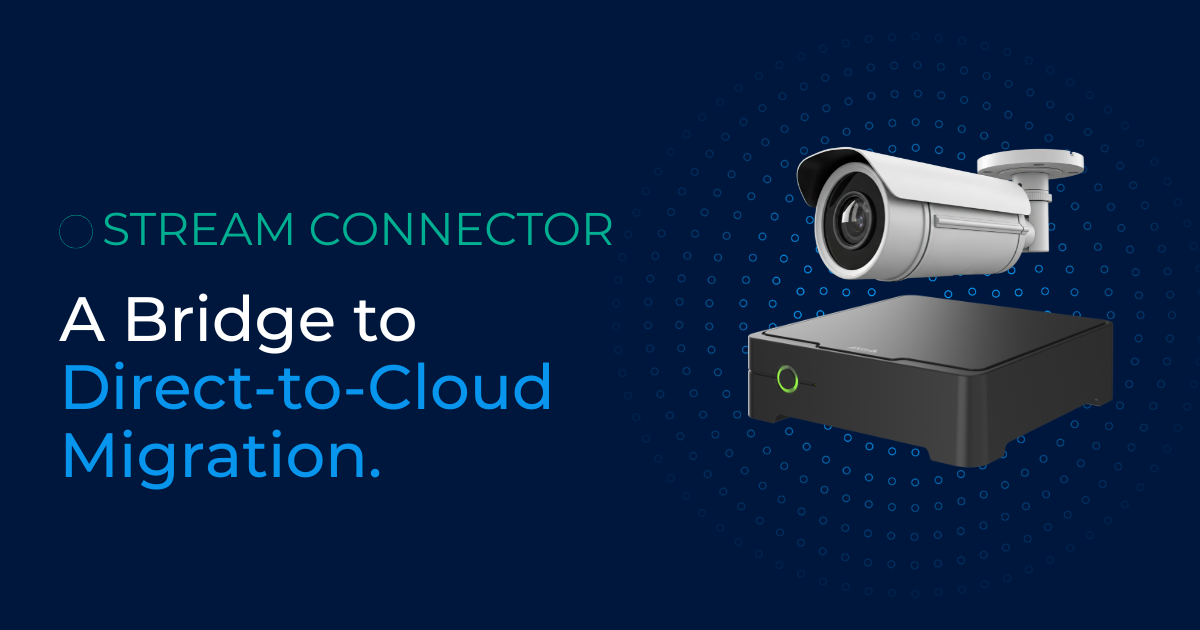
VSaaS, or Video Surveillance as a Service, provides cloud-managed video recording, storage, and access. It removes the need for on-premises servers and simplifies camera management while enabling remote access to video footage.
For organizations looking to reduce infrastructure costs or modernize legacy camera systems, VSaaS is often a logical first step.
However, VSaaS focuses on only one layer of physical security: video surveillance.
Cameras show what happened—but they do not control doors, detect environmental threats, monitor device health, or automate coordinated responses across locations.
Modern Physical Security Requires More Than Video
Today’s security environments rely on multiple physical security systems, including:
- Video Surveillance
- Access Control
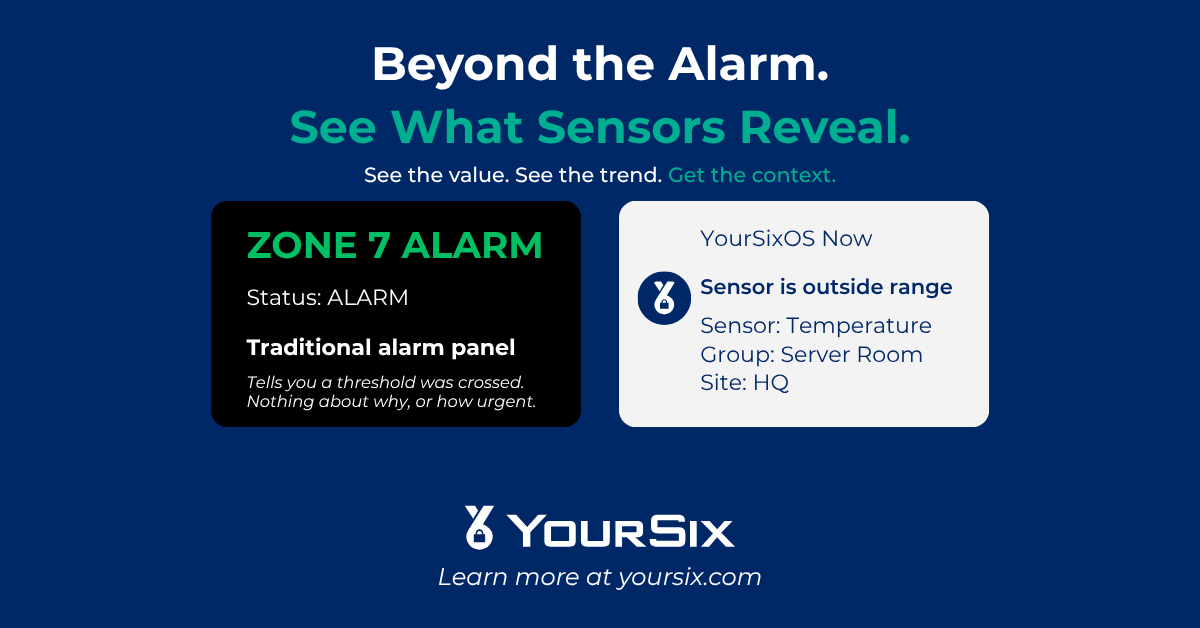
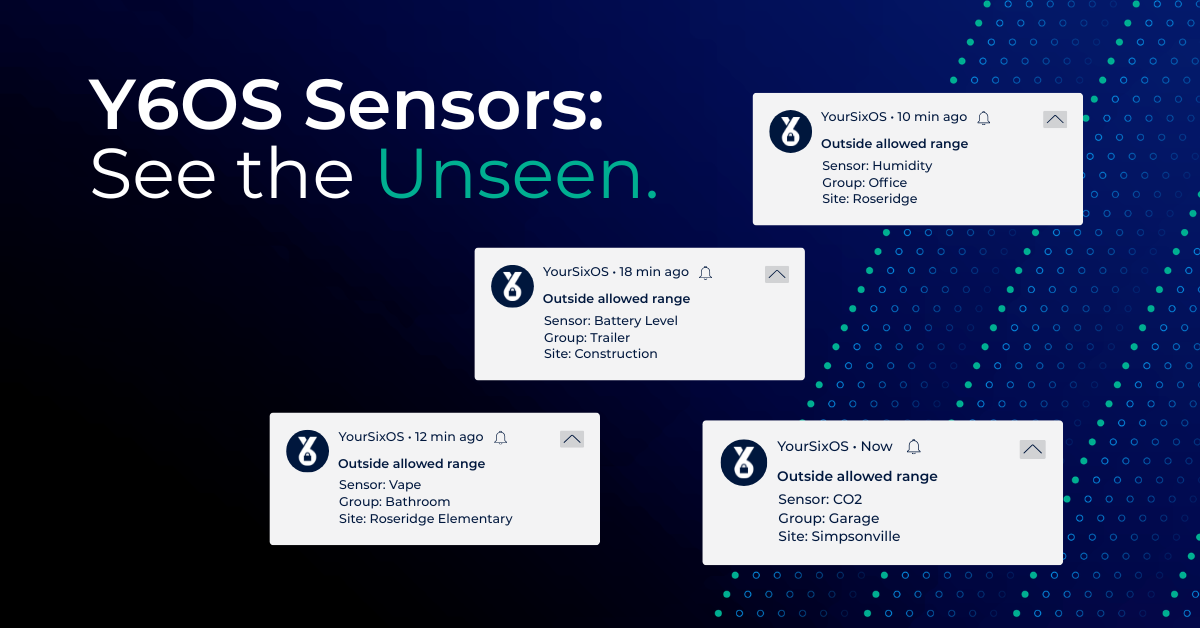
- Environmental & Security Sensors
- Audio Systems
- Peripheral Detection
- Detection & Ranging technologies
These systems form the foundation of physical security, protecting people, assets, and operations.
To operate effectively at scale, they must be supported by platform-level capabilities, such as:
- Professional monitoring
- Centralized device management
- Device health monitoring
- Automation and workflows
- Firmware updates and lifecycle management
When systems and capabilities operate in silos, security teams lose visibility, speed, and efficiency. When they are unified on a single cloud platform, the result is a more resilient, responsive, and scalable security environment.
That unified model is known as PSaaS.
What Is PSaaS (Physical Security as a Service)?
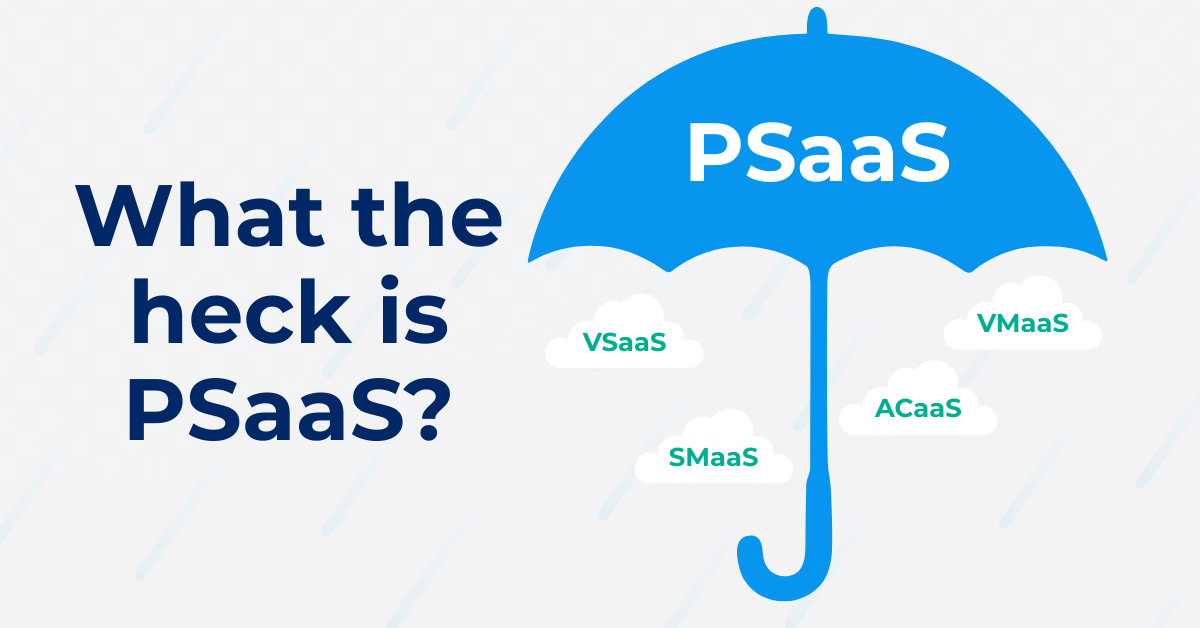
PSaaS (Physical Security as a Service) is a cloud-native platform model that consolidates all major physical security systems and capabilities into one ecosystem.
Instead of managing multiple vendors, disconnected portals, and fragmented data, PSaaS centralizes physical security operations within a single platform.
A comprehensive PSaaS architecture typically includes:
- VSaaS: Video Surveillance as a Service
- ACaaS: Access Control as a Service
- VMaaS: Video Monitoring as a Service
- SMaaS: Sensor Monitoring as a Service
Together, these services share data, intelligence, and workflows—enabling deeper insight and tighter coordination across every layer of physical security.
PSaaS vs. VSaaS: The Key Differences
The difference between VSaaS and PSaaS is not incremental.
It is architectural.
- VSaaS modernizes video surveillance
- PSaaS modernizes physical security end-to-end
Organizations that adopt VSaaS alone often end up with hybrid environments where cloud-based cameras coexist with legacy access control systems and standalone sensors. This fragmentation creates blind spots, slows investigations, and increases operational overhead.
PSaaS eliminates that fragmentation by design.
Why Organizations Evaluating VSaaS Should Consider PSaaS
If you are already exploring VSaaS, you likely recognize the limitations of traditional on-premises systems—high maintenance costs, slow upgrades, limited scalability, and rigid architectures.
Modernizing only the video layer can introduce new complexity instead of reducing it.
A true PSaaS platform delivers clear advantages:
- Unified Physical Security Platform – Video surveillance, access control, sensors, audio, peripherals, and detection technologies are managed through a single cloud-native system.
- Reduced Operational Complexity – Fewer vendors and fewer tools reduce administrative overhead and simplify daily security operations.
- Faster Incident Response and Automation – Native connections between access events, video, sensor data, and device health enable faster investigations and automated responses.
- Scalable Security Across Locations – PSaaS supports consistent deployment and centralized management across every site as organizations grow.
- A Future-Proof Security Architecture – Cloud-native PSaaS platforms make it easier to adopt new sensors, AI-powered analytics, workflows, and device types without disruptive rip-and-replace projects.
YourSixOS: A Cloud-Native PSaaS Platform
YourSixOS is a cloud-native PSaaS (Physical Security as a Service) platform designed to secure any environment by unifying core physical security systems—including video surveillance, access control, sensors, audio, peripherals, and detection and ranging—into a single cloud platform.
Platform capabilities such as professional monitoring and centralized device management extend those systems with continuous oversight, operational intelligence, and remote control from anywhere. Unlike platforms built from bolt-on integrations, YourSixOS is engineered as one cohesive architecture to support modern, scalable physical security across every location.
The Future of Physical Security Is PSaaS
If your organization is evaluating VSaaS solutions, now is the time to take a broader view of your physical security architecture.
Modern cloud technology makes it possible to secure anything, from anywhere, through one unified platform—delivering stronger security outcomes with simpler operations.
PSaaS is not the next step after VSaaS.
It is the evolution of physical security itself.
And with YourSix, we’ve got your back.
Frequently Asked Questions About PSaaS and VSaaS
What does PSaaS stand for?
PSaaS stands for Physical Security as a Service.
It is a cloud-native platform model that unifies physical security systems and capabilities into a single, centrally managed ecosystem.
What is the difference between PSaaS and VSaaS?
- VSaaS focuses on cloud-managed video surveillance.
- PSaaS unifies video, access control, sensors, audio, monitoring, and device management into one platform.
VSaaS modernizes video. PSaaS modernizes physical security end-to-end.
What systems are included in a PSaaS platform?
A PSaaS platform typically includes video surveillance, access control, sensors, audio, peripherals, and detection-and-ranging technologies, all managed through a single cloud-native system.
What capabilities does PSaaS provide beyond cameras?
PSaaS platforms deliver professional monitoring, device management, health monitoring, automation, firmware updates, and centralized visibility across all locations.
When should an organization choose PSaaS?
PSaaS is ideal for organizations managing multiple locations, scaling operations, or seeking to reduce vendor sprawl while improving response speed and operational efficiency.
What is YourSixOS?
YourSixOS is a cloud-native PSaaS platform designed to secure anything, from anywhere, through one unified physical security platform.